
Creating a fully functional homepage in under 15 minutes, without writing a single line of HTML or CSS, naturally raises a powerful question:
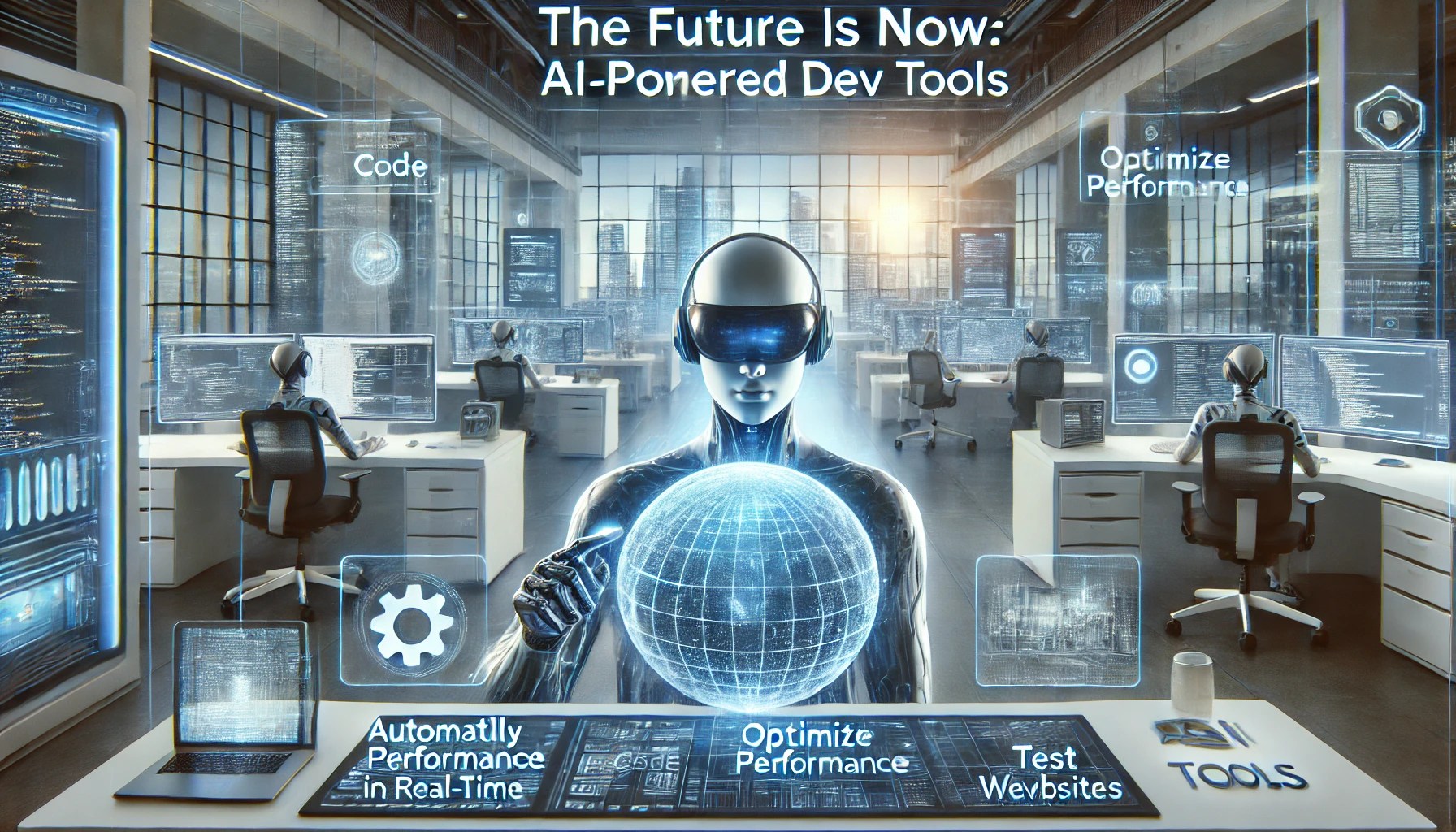
Is there still any real value in learning or doing front-end coding from scratch when AI can do the job instantly?
This question is no longer theoretical. It reflects a real shift in how websites are being designed, built, and delivered.
🚀 The AI Acceleration Moment
What once required:
- layout planning
- CSS fine-tuning
- responsive testing
can now be achieved through simple natural-language prompts.
Modern AI tools can:
- generate layouts
- adjust typography and spacing
- suggest color palettes
- output deploy-ready markup
For static or marketing-focused pages, the productivity leap is undeniable.
Just as page builders once disrupted hand-coded themes, prompt-driven design is now disrupting page builders themselves.

💎 Scarcity Creates Value — Until It Doesn’t
Traditionally, technical skills had value because they were scarce:
- Knowing HTML/CSS → valuable
- Knowing WordPress → valuable
- Knowing page builders → valuable
But once AI can:
- generate layouts instantly
- fix styling issues
- adapt designs on demand
the scarcity disappears, and so does the premium attached to routine work.
This doesn’t mean skills lose meaning—but they lose exclusivity.
🕰️ A Familiar Pattern: The Transcription Boom and Bust
This disruption isn’t new.
Around the mid-2000s:
- Transcription outsourcing created massive employment
- Companies earned by training accents, typing speed, and formatting
- Entire businesses ran 24×7 on human effort
Then speech recognition matured.
Within a few years:
- Most transcription jobs vanished
- Only highly trained editors survived to provide final review
The pattern is strikingly similar today.
Automation rarely removes everything.
It removes most roles and amplifies a few.
🧠 Clients Care About Results, Not the Process
An uncomfortable truth for professionals:
Most clients do not care whether:
- code was handwritten
- layouts were crafted pixel by pixel
- AI generated the output
They care about:
- speed
- cost
- reliability
- outcomes
Understanding how something is produced matters more to builders than to buyers.
⚠️ Where AI Still Struggles
A thoughtful counterpoint often raised is that good HTML is not always visible.
And that’s correct.
Areas where human expertise still matters:
♿ Accessibility
- semantic HTML
- ARIA roles
- screen reader compatibility
AI often misses subtle accessibility requirements.
🔐 Security
- authentication flows
- input validation
- vulnerability prevention
AI can unknowingly introduce risks.
🧩 Complex Interactivity
- logins and sessions
- search systems
- user state management
For a simple homepage, AI is excellent.
For complex, interactive systems, blind trust can be costly.
🧠 Is Learning HTML/CSS Still Worth It?
Yes—but for different reasons than before.
Learning code today is less about:
- writing everything manually
- competing on speed
and more about:
- understanding what AI generates
- validating quality
- fixing edge cases
- making informed architectural decisions
Coding knowledge is becoming editorial and supervisory, not mechanical.
Much like transcription editors survived automation, developers who understand fundamentals deeply will remain relevant.
🔮 The Future of Themes, Templates, and Plugins
Likely to Decline
- generic themes
- one-size-fits-all templates
- simple layout-only plugins
Likely to Survive
- niche and compliance-focused themes
- accessibility-first frameworks
- performance-optimized plugins
- security-critical tooling
Likely to Evolve
- theme designers → design system curators
- developers → AI supervisors and integrators
- plugins → logic, trust, and control layers, not just UI
✨ Final Thought
AI doesn’t eliminate value—it redefines it.
The future belongs to those who:
- understand fundamentals
- use AI deliberately
- add judgment, responsibility, and context
Building a homepage in minutes is impressive.
Building a secure, accessible, scalable product still requires human insight.
The winning professional won’t be the one who types the most code—
but the one who knows which code truly matters.
Discover more from Webnzee
Subscribe to get the latest posts sent to your email.

Leave a Reply