• Skip to primary navigation
  • Skip to main content
  • Skip to primary sidebar
webnzee

Webnzee

Webnzee — Your Web Dev Companion.

  • Home
  • Blog
  • Terms
    • Privacy
    • Disclaimer
  • Support
  • Subscribe
  • Contact
  • Show Search
Hide Search

HTML

Understanding Markdown and Its Relevance in WordPress

Rajeev Bagra · March 6, 2026 · Leave a Comment

When building websites, documentation systems, or content platforms, developers often encounter Markdown, a lightweight markup language designed to make writing formatted content simple and readable.

While platforms like Django applications, developer documentation sites, and static site generators rely heavily on Markdown, many people wonder whether Markdown has any relevance in WordPress, the world’s most widely used content management system.

This learning post explains what Markdown is, how it works, and how it fits into the WordPress ecosystem.


What Is Markdown?

Markdown is a lightweight markup language that allows writers to format text using simple symbols instead of complex HTML tags.

Instead of writing HTML like this:

<h1>Introduction</h1>
<p>This is <strong>important</strong> text.</p>

Markdown lets you write the same content in a much simpler form:

# Introduction

This is **important** text.

The Markdown text is then converted into HTML, which browsers can render.

This makes Markdown extremely popular for:

  • Technical documentation
  • Knowledge bases
  • Developer blogs
  • GitHub README files
  • Static websites

Why Markdown Was Created

Writing long documents directly in HTML can be tedious and difficult to maintain.

For example, consider formatting a simple list in HTML:

<ul>
<li>Python</li>
<li>Django</li>
<li>Flask</li>
</ul>

In Markdown, the same content becomes:

- Python
- Django
- Flask

This makes Markdown:

  • easier to read
  • easier to write
  • faster to edit
  • more portable across platforms

Because of these advantages, Markdown has become the standard writing format for developers.


Common Markdown Syntax

Here are some of the most commonly used Markdown elements.

Headings

# Heading 1
## Heading 2
### Heading 3

Bold and Italics

**Bold text**
*Italic text*

Lists

- Item one
- Item two
- Item three

Links

[OpenAI](https://openai.com)

Images

![Alt text](image.jpg)

When processed by a Markdown parser, these elements are automatically converted into HTML.


How Markdown Is Used in Web Applications

Many web applications store content as Markdown and convert it to HTML before displaying it in the browser.

For example, a simplified workflow looks like this:

Markdown file
      ↓
Markdown parser
      ↓
HTML output
      ↓
Browser rendering

Frameworks like Django commonly use Python libraries such as:

markdown2

to perform this conversion.

This approach allows developers to store content in a human-friendly format while still serving HTML pages to users.


How WordPress Handles Content

WordPress takes a different approach.

Instead of writing Markdown, most WordPress users write content using a visual editor, known as the Block Editor (Gutenberg).

When a user formats text inside the editor—such as adding headings, bold text, or lists—WordPress automatically converts that formatting into HTML behind the scenes.

For example, when you create a heading in WordPress, the system stores something like this in the database:

<h2>My Section Heading</h2>

So WordPress primarily works with HTML rather than Markdown.


Can Markdown Be Used in WordPress?

Even though WordPress does not use Markdown by default, it can still support Markdown through plugins.

Some plugins allow authors to write posts using Markdown syntax, which WordPress then converts into HTML when displaying the page.

Examples of such plugins include:

  • Jetpack Markdown
  • WP Markdown Editor
  • Parsedown Markdown integrations

With these tools, a WordPress post can be written like this:

# My Blog Post

This article explains **data science tools**.

## Tools

- Python
- Pandas
- Tableau

The plugin converts the Markdown into HTML before rendering the page.


Why WordPress Uses HTML Instead of Markdown

WordPress is designed primarily for non-technical users, such as bloggers, small business owners, and marketers.

These users usually prefer a visual editor, where formatting is applied through buttons rather than syntax.

Markdown requires remembering formatting symbols, which can be intimidating for beginners.

Therefore, WordPress focuses on:

  • drag-and-drop editing
  • visual formatting
  • block-based content design

This makes the platform easier for everyday users.


Where Developers Encounter Markdown Most Often

Even if someone primarily uses WordPress, Markdown remains an important skill because it appears in many developer environments.

Examples include:

  • GitHub documentation
  • README files
  • developer blogs
  • knowledge management tools
  • static site generators
  • collaborative documentation platforms

Platforms such as GitHub, Stack Overflow, and many technical blogging systems rely heavily on Markdown.


Markdown and the Future of Publishing

Modern publishing systems increasingly combine Markdown with automated workflows.

For example, many developers now write blog posts as Markdown files stored in Git repositories. These files are then automatically converted into web pages using static site generators.

This workflow allows content to be:

  • version controlled
  • easily portable
  • programmatically generated
  • automatically deployed

While WordPress still dominates traditional blogging, Markdown continues to power many developer-focused publishing platforms.


Key Takeaways

Markdown is a lightweight markup language that simplifies writing formatted content.

It allows writers to:

  • format text easily
  • maintain readability
  • convert content into HTML automatically

WordPress primarily uses HTML generated by its visual editor, but Markdown can still be used through plugins or developer workflows.

Understanding Markdown is particularly valuable for developers, as it plays a major role in modern documentation systems, programming communities, and automated publishing tools.


Learning Markdown provides a useful bridge between simple writing tools and structured web publishing, making it an important skill for anyone interested in web development or technical content creation.

Developing Forms in WordPress vs Django: From Manual Coding to Plugins and Framework-Level Control

Rajeev Bagra · February 12, 2026 · Leave a Comment

Forms are one of the most important features of modern websites. They power contact pages, registrations, surveys, feedback systems, and lead generation.

But the way forms are built in WordPress and Django is fundamentally different.

In this article, we’ll explore three approaches:

  1. Creating forms in WordPress without plugins
  2. Using ready-made form plugins like WPForms
  3. Building forms in Django using its built-in system

By the end, you’ll understand which approach fits your goals best.


1️⃣ Building Forms in WordPress Without Any Plugin

Image
Image
Image
Image
Image

Many people assume WordPress always needs plugins for forms. In reality, you can build forms manually, but it requires writing PHP inside your theme.


🔹 How It Works

When creating forms without plugins, you must:

  • Write HTML in theme templates
  • Handle submissions using PHP
  • Process data via $_POST
  • Send emails using wp_mail()
  • Secure data manually

Example:

<form method="post">
  <input type="text" name="name" required>
  <input type="email" name="email" required>
  <textarea name="message"></textarea>
  <button type="submit">Send</button>
</form>

Processing in functions.php:

if(isset($_POST['name'])) {
  $name = sanitize_text_field($_POST['name']);
  wp_mail("admin@example.com", "New Message", $name);
}

🔹 What You Must Manage Yourself

When you don’t use a plugin, you are responsible for:

❌ Validation
❌ Security (nonces, CSRF-like protection)
❌ Spam filtering
❌ Database storage
❌ Error messages
❌ User feedback

This makes development:

  • More technical
  • Less structured
  • More error-prone

🔹 Architectural Style

WordPress manual forms are:

  • Procedural
  • Template-based
  • Dependent on global variables
  • Not object-oriented

So, WordPress without plugins means:

“Write everything yourself in PHP.”


2️⃣ Creating Forms in WordPress Using Plugins (WPForms and Similar Tools)

Image
Image
Image
Image
Image

Most WordPress users prefer plugins because they remove technical complexity.

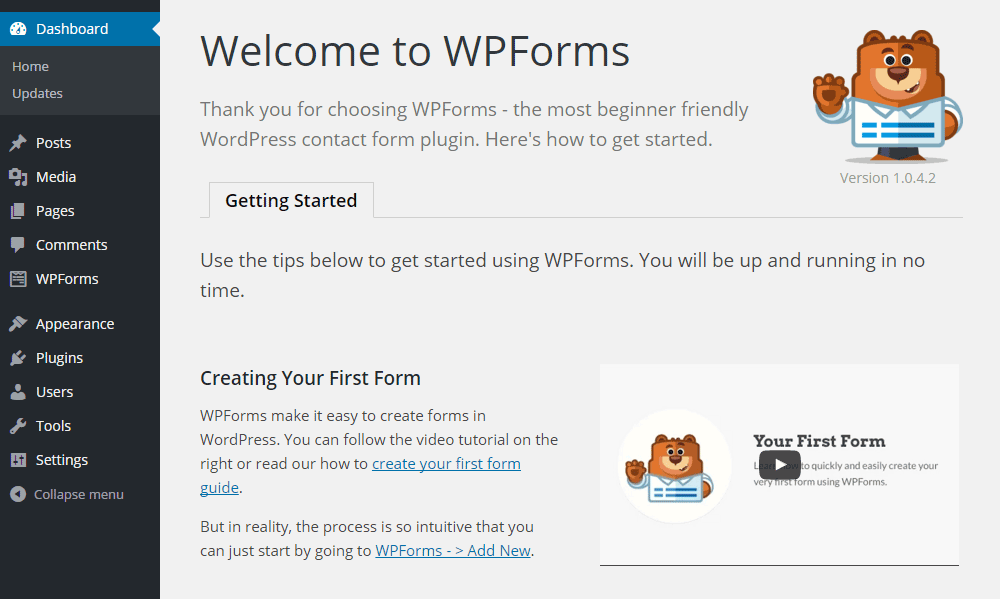
Popular tools like WPForms provide visual form builders.


🔹 How Plugin-Based Forms Work

With WPForms, you simply:

  1. Install the plugin
  2. Open the drag-and-drop editor
  3. Add fields visually
  4. Configure notifications
  5. Embed the form

No coding required.


🔹 Features Provided by Plugins

Plugins automatically handle:

✅ Validation
✅ Security
✅ Spam protection
✅ Database storage
✅ Email alerts
✅ Conditional logic
✅ Payment integration

You only configure settings.


🔹 Ready-Made Templates

WPForms includes templates such as:

  • Contact forms
  • Registration forms
  • Surveys
  • Newsletter forms
  • Feedback forms

You select → customize → publish.


🔹 Development Model

Plugin-based forms are:

  • UI-driven
  • Configuration-based
  • Low-code or no-code

So, WordPress with plugins means:

“Use tools instead of building systems.”


3️⃣ Forms in Django: Framework-Level Integration

Image
Image
Image
Image

Unlike WordPress, Django treats forms as a core feature of the framework.

Forms are not add-ons. They are part of the system.


🔹 How Django Forms Work

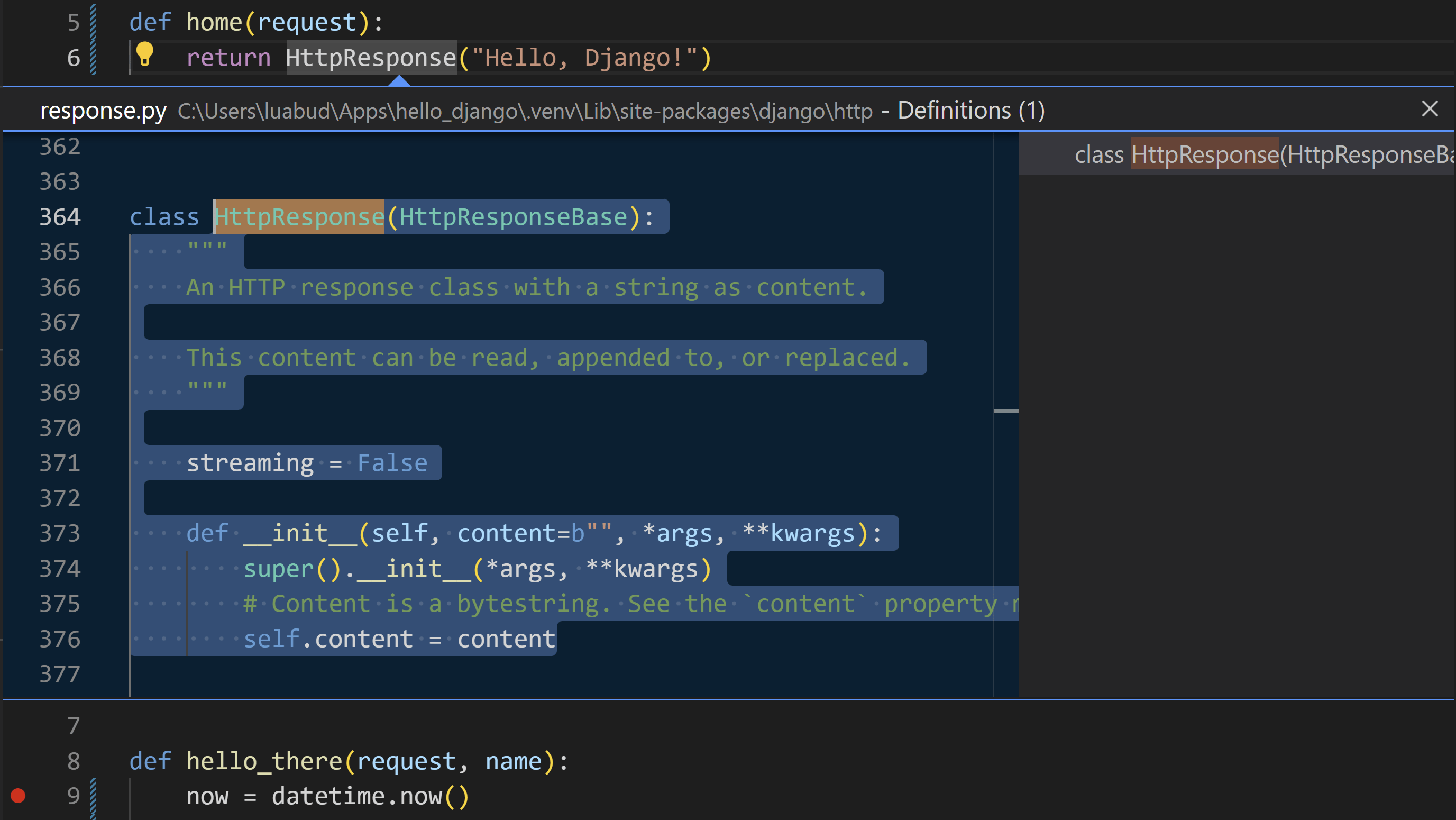
Forms are written as Python classes:

from django import forms

class ContactForm(forms.Form):
    name = forms.CharField(max_length=100)
    email = forms.EmailField()

In views:

if form.is_valid():
    data = form.cleaned_data

In templates:

{{ form.as_p }}

🔹 Built-In Capabilities

Django automatically provides:

✅ Field validation
✅ Type checking
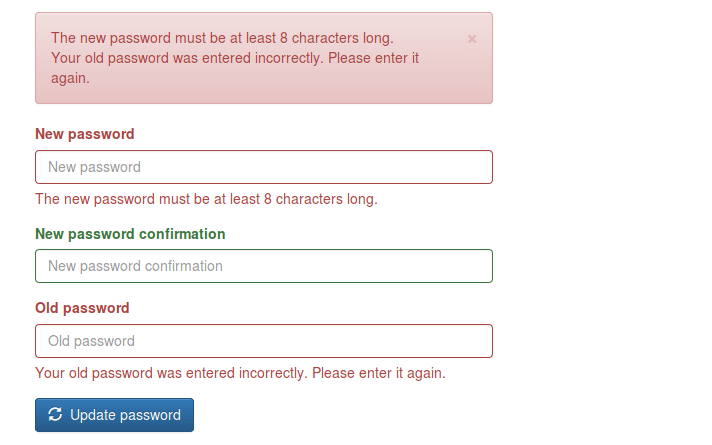
✅ Error handling
✅ CSRF protection
✅ Data cleaning
✅ Model integration
✅ Security

No third-party plugin is required.


🔹 Template Form Features

Django templates allow full customization:

{{ form.name.label }}
{{ form.name }}
{{ form.name.errors }}

You control:

  • Layout
  • Styling
  • Error display
  • Accessibility

🔹 Development Model

Django forms are:

  • Object-oriented
  • Structured
  • Scalable
  • Framework-integrated

So, Django means:

“Build robust systems using built-in tools.”


📊 Comparison: WordPress vs Django Forms

FeatureWordPress (No Plugin)WordPress (Plugin)Django
SetupManual codingVisual UIPython classes
ValidationManualPlugin-managedBuilt-in
SecurityManualPlugin-managedBuilt-in
DatabaseManualPlugin-dependentORM-based
FlexibilityMediumLimitedVery High
ScalabilityMediumMediumHigh
Learning CurveHighLowMedium–High

🧠 Philosophical Difference

WordPress Philosophy

Originally built for blogging and content management.

Forms are:

  • Optional features
  • Implemented via plugins
  • Not core architecture

Approach:

“Extend with tools.”


Django Philosophy

Built for application development.

Forms are:

  • Core components
  • Linked to models
  • Linked to validation
  • Linked to security

Approach:

“Engineer the system.”


🔁 Real-World Example: Contact Form

In WordPress (Without Plugin)

You must create:

  1. HTML form
  2. PHP processor
  3. Validation logic
  4. Security system
  5. Email handler

More freedom, more work.


In WordPress (With WPForms)

You do:

  1. Install plugin
  2. Choose template
  3. Publish

Fast, simple, limited.


In Django

You create:

  1. Model (optional)
  2. Form class
  3. View logic
  4. Template

More setup, long-term stability.


🚀 When Should You Use Each?

Choose Manual WordPress Forms If:

✔ You want full control in WordPress
✔ You know PHP well
✔ You need lightweight solutions


Choose WPForms If:

✔ You want fast deployment
✔ You run marketing or content sites
✔ You don’t want to code
✔ You need integrations


Choose Django Forms If:

✔ You’re building SaaS platforms
✔ You need complex validation
✔ You manage large datasets
✔ You want scalable systems


📝 Final Summary

PlatformForm StyleStrength
WordPress (No Plugin)Manual PHPFlexibility
WordPress (Plugin)Visual BuilderSpeed
DjangoFramework-BasedPower & Scalability

👉 WordPress without plugins = Handcrafted
👉 WordPress with plugins = Tool-based
👉 Django = System-based


📌 Conclusion

Forms reflect the philosophy of each platform:

  • WordPress gives you freedom or convenience, depending on plugins.
  • Django gives you structure and engineering depth.

If your goal is fast website deployment, WordPress plugins are ideal.
If your goal is building long-term software products, Django forms offer unmatched control.


Modern Frontend WordPress Development: Why HTML and CSS Are Enough

Rajeev Bagra · December 22, 2025 · Leave a Comment

Image
Image
Image
Image

Is HTML and CSS Enough for WordPress Development?

Do You Really Need Bootstrap or Sass?

For many years, Bootstrap and Sass were considered almost essential tools for front-end web development. But with the evolution of WordPress, the question naturally arises:

Can a WordPress developer rely on plain HTML and CSS—and skip Bootstrap and Sass altogether?

The short answer is yes.
The long answer (and the useful one) is below.


The Changing Nature of WordPress Development

Modern WordPress is very different from what it was a decade ago.

With the introduction of:

  • The Gutenberg block editor
  • Full Site Editing (FSE)
  • Global styling via theme.json

WordPress now handles many layout and styling responsibilities natively, without requiring external CSS frameworks.

In other words, WordPress itself has grown into a design system, not just a CMS.


The Core Stack: HTML + CSS + WordPress

A modern WordPress developer can comfortably work with:

  • HTML – for semantic structure and templates
  • CSS – for layout, typography, spacing, and responsiveness
  • WordPress core features – blocks, patterns, templates, hooks

This stack is enough to:

  • Build professional themes
  • Create responsive layouts
  • Maintain high performance
  • Avoid unnecessary complexity

No Bootstrap.
No Sass required.


Why Bootstrap Is No Longer Necessary

Bootstrap originally solved problems like:

  • Responsive grids
  • Consistent spacing
  • UI components
  • Cross-browser compatibility

Today, WordPress and modern CSS already solve these problems:

Bootstrap FeatureModern Alternative
Grid systemCSS Grid / Flexbox
Buttons & formsCore blocks + styles
NavbarWordPress Navigation block
UtilitiesNative CSS + block controls

Using Bootstrap in WordPress today often results in:

  • Extra CSS bloat
  • Style conflicts with themes/plugins
  • Duplicate functionality

Do You Really Need Sass?

Sass was popular because CSS lacked:

  • Variables
  • Nesting
  • Reusability

But modern CSS now supports:

  • CSS variables
  • Logical grouping
  • Custom properties used directly by WordPress (theme.json)

Example:
WordPress automatically generates CSS variables like:

--wp--preset--color--primary

For many WordPress projects, plain CSS is simpler, clearer, and easier to maintain than Sass.


How theme.json Replaces Framework Thinking

The theme.json file allows developers to define:

  • Global colors
  • Typography
  • Spacing
  • Layout rules
  • Block-level defaults

This creates a centralized design system, similar to what developers once used Bootstrap or Sass for—but fully native to WordPress.


When Bootstrap or Sass Still Make Sense (Optional)

You might still consider them if you:

  • Maintain legacy WordPress themes
  • Build large enterprise design systems
  • Work with teams already standardized on Bootstrap
  • Rapidly prototype UI-heavy dashboards

Even then, they are choices, not requirements.


Recommended Skill Priority for WordPress Developers

Must-have

  1. HTML (semantic markup)
  2. CSS (Flexbox, Grid, media queries)
  3. WordPress blocks & templates
  4. theme.json
  5. Accessibility basics

Nice-to-have

  • Sass
  • Bootstrap
  • Tailwind CSS

Frameworks should serve your project, not define your skills.


Performance and Maintainability Benefits

By sticking to HTML + CSS:

  • Pages load faster
  • Fewer dependencies break
  • Themes are easier to update
  • Core Web Vitals improve
  • Long-term maintenance becomes simpler

This is why many modern WordPress agencies avoid frameworks altogether.


Final Verdict

✔ Yes, HTML and CSS are enough for WordPress development
✔ Bootstrap and Sass are optional, not mandatory
✔ Modern WordPress favors native tools over external frameworks
✔ Learning fundamentals beats relying on abstractions

If your goal is to become a future-proof WordPress developer, mastering HTML, CSS, and WordPress core features will take you further than any framework ever will.


Future of Custom Themes, Template Designers, and Paid Plugins in the Age of AI

Rajeev Bagra · December 15, 2025 · Leave a Comment

Future of custom themes and template designers and paid themes/plugins in this category
byu/DigitalSplendid inHTML

Creating a fully functional homepage in under 15 minutes, without writing a single line of HTML or CSS, naturally raises a powerful question:

Image

Is there still any real value in learning or doing front-end coding from scratch when AI can do the job instantly?

This question is no longer theoretical. It reflects a real shift in how websites are being designed, built, and delivered.


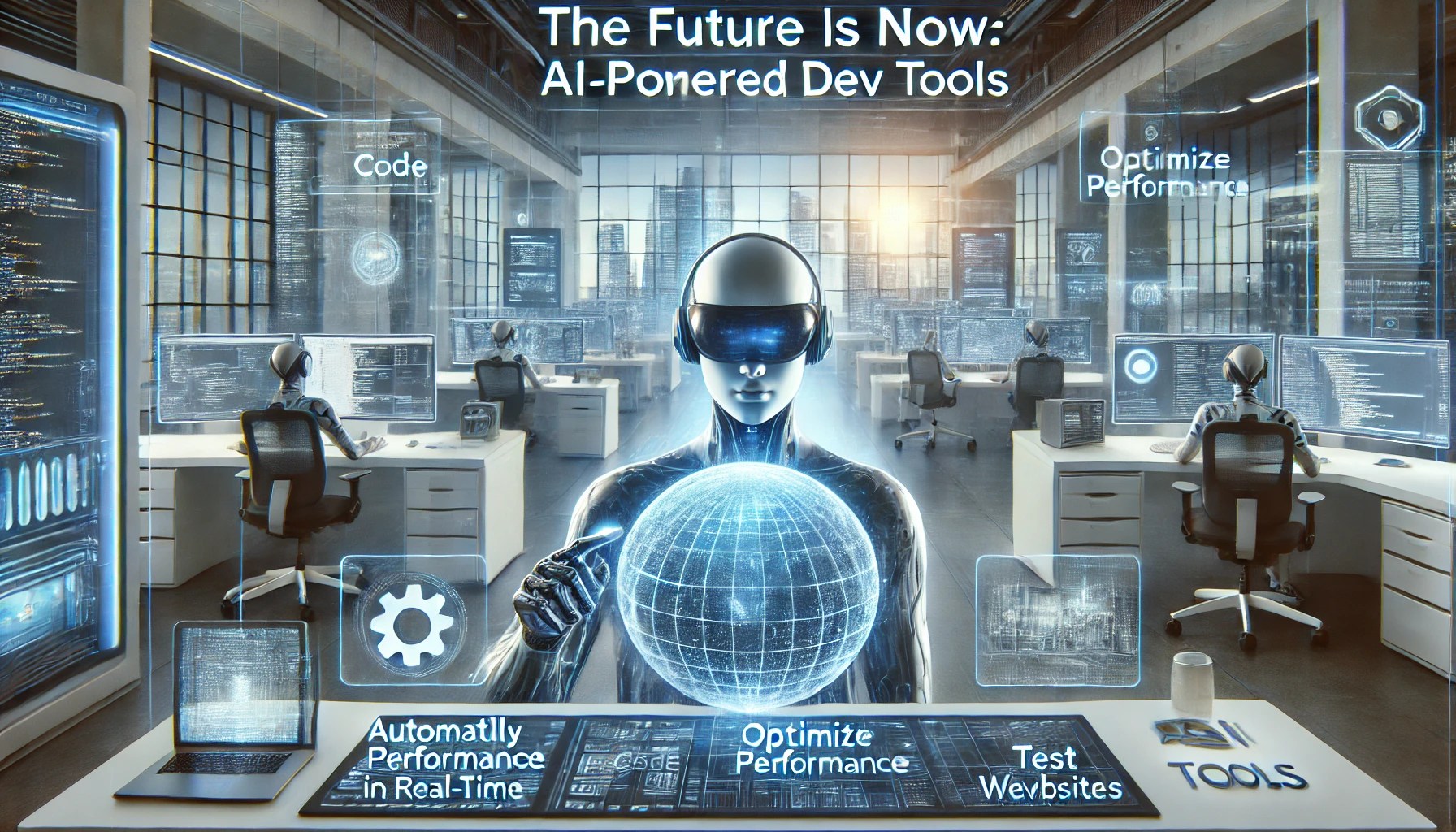
🚀 The AI Acceleration Moment

Image

What once required:

  • layout planning
  • CSS fine-tuning
  • responsive testing

can now be achieved through simple natural-language prompts.

Modern AI tools can:

  • generate layouts
  • adjust typography and spacing
  • suggest color palettes
  • output deploy-ready markup

For static or marketing-focused pages, the productivity leap is undeniable.

Just as page builders once disrupted hand-coded themes, prompt-driven design is now disrupting page builders themselves.

Image

💎 Scarcity Creates Value — Until It Doesn’t

Traditionally, technical skills had value because they were scarce:

  • Knowing HTML/CSS → valuable
  • Knowing WordPress → valuable
  • Knowing page builders → valuable

But once AI can:

  • generate layouts instantly
  • fix styling issues
  • adapt designs on demand

the scarcity disappears, and so does the premium attached to routine work.

This doesn’t mean skills lose meaning—but they lose exclusivity.


🕰️ A Familiar Pattern: The Transcription Boom and Bust

This disruption isn’t new.

Around the mid-2000s:

  • Transcription outsourcing created massive employment
  • Companies earned by training accents, typing speed, and formatting
  • Entire businesses ran 24×7 on human effort

Then speech recognition matured.

Within a few years:

  • Most transcription jobs vanished
  • Only highly trained editors survived to provide final review

The pattern is strikingly similar today.

Automation rarely removes everything.
It removes most roles and amplifies a few.


🧠 Clients Care About Results, Not the Process

An uncomfortable truth for professionals:

Most clients do not care whether:

  • code was handwritten
  • layouts were crafted pixel by pixel
  • AI generated the output

They care about:

  • speed
  • cost
  • reliability
  • outcomes

Understanding how something is produced matters more to builders than to buyers.


⚠️ Where AI Still Struggles

A thoughtful counterpoint often raised is that good HTML is not always visible.

And that’s correct.

Areas where human expertise still matters:

♿ Accessibility

  • semantic HTML
  • ARIA roles
  • screen reader compatibility

AI often misses subtle accessibility requirements.

🔐 Security

  • authentication flows
  • input validation
  • vulnerability prevention

AI can unknowingly introduce risks.

🧩 Complex Interactivity

  • logins and sessions
  • search systems
  • user state management

For a simple homepage, AI is excellent.
For complex, interactive systems, blind trust can be costly.


🧠 Is Learning HTML/CSS Still Worth It?

Yes—but for different reasons than before.

Learning code today is less about:

  • writing everything manually
  • competing on speed

and more about:

  • understanding what AI generates
  • validating quality
  • fixing edge cases
  • making informed architectural decisions

Coding knowledge is becoming editorial and supervisory, not mechanical.

Much like transcription editors survived automation, developers who understand fundamentals deeply will remain relevant.


🔮 The Future of Themes, Templates, and Plugins

Likely to Decline

  • generic themes
  • one-size-fits-all templates
  • simple layout-only plugins

Likely to Survive

  • niche and compliance-focused themes
  • accessibility-first frameworks
  • performance-optimized plugins
  • security-critical tooling

Likely to Evolve

  • theme designers → design system curators
  • developers → AI supervisors and integrators
  • plugins → logic, trust, and control layers, not just UI

✨ Final Thought

AI doesn’t eliminate value—it redefines it.

The future belongs to those who:

  • understand fundamentals
  • use AI deliberately
  • add judgment, responsibility, and context

Building a homepage in minutes is impressive.
Building a secure, accessible, scalable product still requires human insight.

The winning professional won’t be the one who types the most code—
but the one who knows which code truly matters.

Primary Sidebar

Recent Posts

  • Why Learning SQL Can Be a Game-Changer for WordPress Developers (With Free Resources & CS50 Courses)
  • Nginx vs Apache Explained (2026): What a Web Server Really Is & How WordPress Actually Uses It
  • How Adding Swap Memory Fixed a Frequently Crashing AWS Lightsail WordPress Server
  • Understanding Markdown and Its Relevance in WordPress
  • Django vs WordPress: Project and App Equivalent

Archives

  • April 2026
  • March 2026
  • February 2026
  • January 2026
  • December 2025
  • October 2025
  • August 2025

Categories

  • Blog

Tag

AWS EC2 AWS Lightsail Azure Contabo CSS DBMS DigitalOcean Django forms Git Github HTML Markdown Python spreadsheets SQL Twilio webdev webhosting WordPress
Terms Display
spreadsheets Contabo Nginx webhosting Python CSS Azure Twilio HTML Django Markdown forms DBMS SQL DigitalOcean Git webdev WordPress Github Web Server

Start building your digital presence with Webnzee. Contact Us

Webnzee

This website may use AI tools to assist in content creation. All articles are reviewed, edited, and fact-checked by our team before publishing. We may receive compensation for featuring sponsored products and services or when you click on links on this website. This compensation may influence the placement, presentation, and ranking of products. However, we do not cover all companies or every available product.

  • Home
  • Blog
  • Terms
  • Support
  • Subscribe
  • Contact
Scroll Up