• Skip to primary navigation
  • Skip to main content
  • Skip to primary sidebar
webnzee

Webnzee

Webnzee — Your Web Dev Companion.

  • Home
  • Blog
  • Terms
    • Privacy
    • Disclaimer
  • Support
  • Subscribe
  • Contact
  • Show Search
Hide Search

Archives for February 2026

Developing Forms in WordPress vs Django: From Manual Coding to Plugins and Framework-Level Control

Rajeev Bagra · February 12, 2026 · Leave a Comment

Forms are one of the most important features of modern websites. They power contact pages, registrations, surveys, feedback systems, and lead generation.

But the way forms are built in WordPress and Django is fundamentally different.

In this article, we’ll explore three approaches:

  1. Creating forms in WordPress without plugins
  2. Using ready-made form plugins like WPForms
  3. Building forms in Django using its built-in system

By the end, you’ll understand which approach fits your goals best.


1️⃣ Building Forms in WordPress Without Any Plugin

Image
Image
Image
Image
Image

Many people assume WordPress always needs plugins for forms. In reality, you can build forms manually, but it requires writing PHP inside your theme.


🔹 How It Works

When creating forms without plugins, you must:

  • Write HTML in theme templates
  • Handle submissions using PHP
  • Process data via $_POST
  • Send emails using wp_mail()
  • Secure data manually

Example:

<form method="post">
  <input type="text" name="name" required>
  <input type="email" name="email" required>
  <textarea name="message"></textarea>
  <button type="submit">Send</button>
</form>

Processing in functions.php:

if(isset($_POST['name'])) {
  $name = sanitize_text_field($_POST['name']);
  wp_mail("admin@example.com", "New Message", $name);
}

🔹 What You Must Manage Yourself

When you don’t use a plugin, you are responsible for:

❌ Validation
❌ Security (nonces, CSRF-like protection)
❌ Spam filtering
❌ Database storage
❌ Error messages
❌ User feedback

This makes development:

  • More technical
  • Less structured
  • More error-prone

🔹 Architectural Style

WordPress manual forms are:

  • Procedural
  • Template-based
  • Dependent on global variables
  • Not object-oriented

So, WordPress without plugins means:

“Write everything yourself in PHP.”


2️⃣ Creating Forms in WordPress Using Plugins (WPForms and Similar Tools)

Image
Image
Image
Image
Image

Most WordPress users prefer plugins because they remove technical complexity.

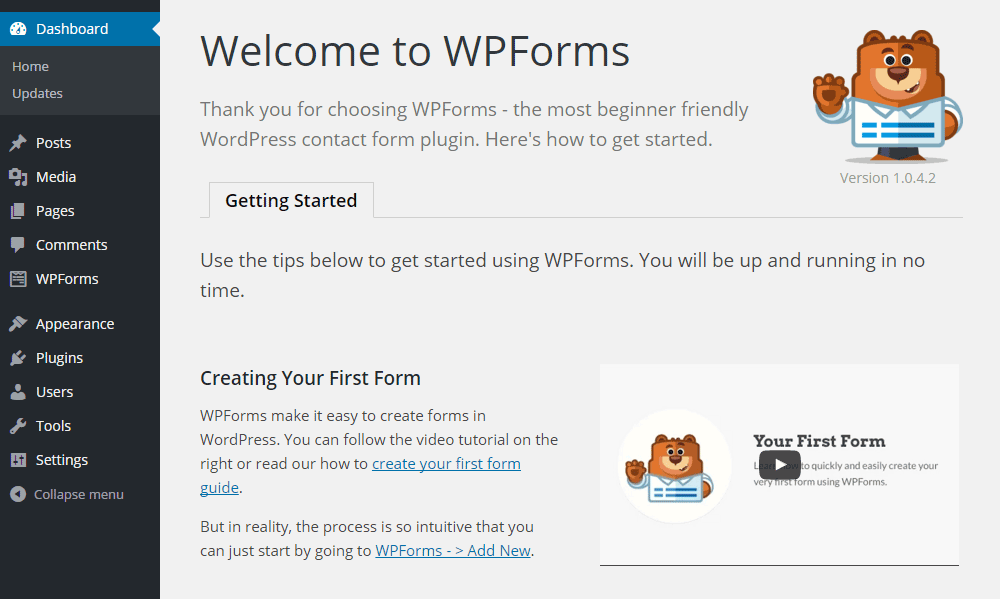
Popular tools like WPForms provide visual form builders.


🔹 How Plugin-Based Forms Work

With WPForms, you simply:

  1. Install the plugin
  2. Open the drag-and-drop editor
  3. Add fields visually
  4. Configure notifications
  5. Embed the form

No coding required.


🔹 Features Provided by Plugins

Plugins automatically handle:

✅ Validation
✅ Security
✅ Spam protection
✅ Database storage
✅ Email alerts
✅ Conditional logic
✅ Payment integration

You only configure settings.


🔹 Ready-Made Templates

WPForms includes templates such as:

  • Contact forms
  • Registration forms
  • Surveys
  • Newsletter forms
  • Feedback forms

You select → customize → publish.


🔹 Development Model

Plugin-based forms are:

  • UI-driven
  • Configuration-based
  • Low-code or no-code

So, WordPress with plugins means:

“Use tools instead of building systems.”


3️⃣ Forms in Django: Framework-Level Integration

Image
Image
Image
Image

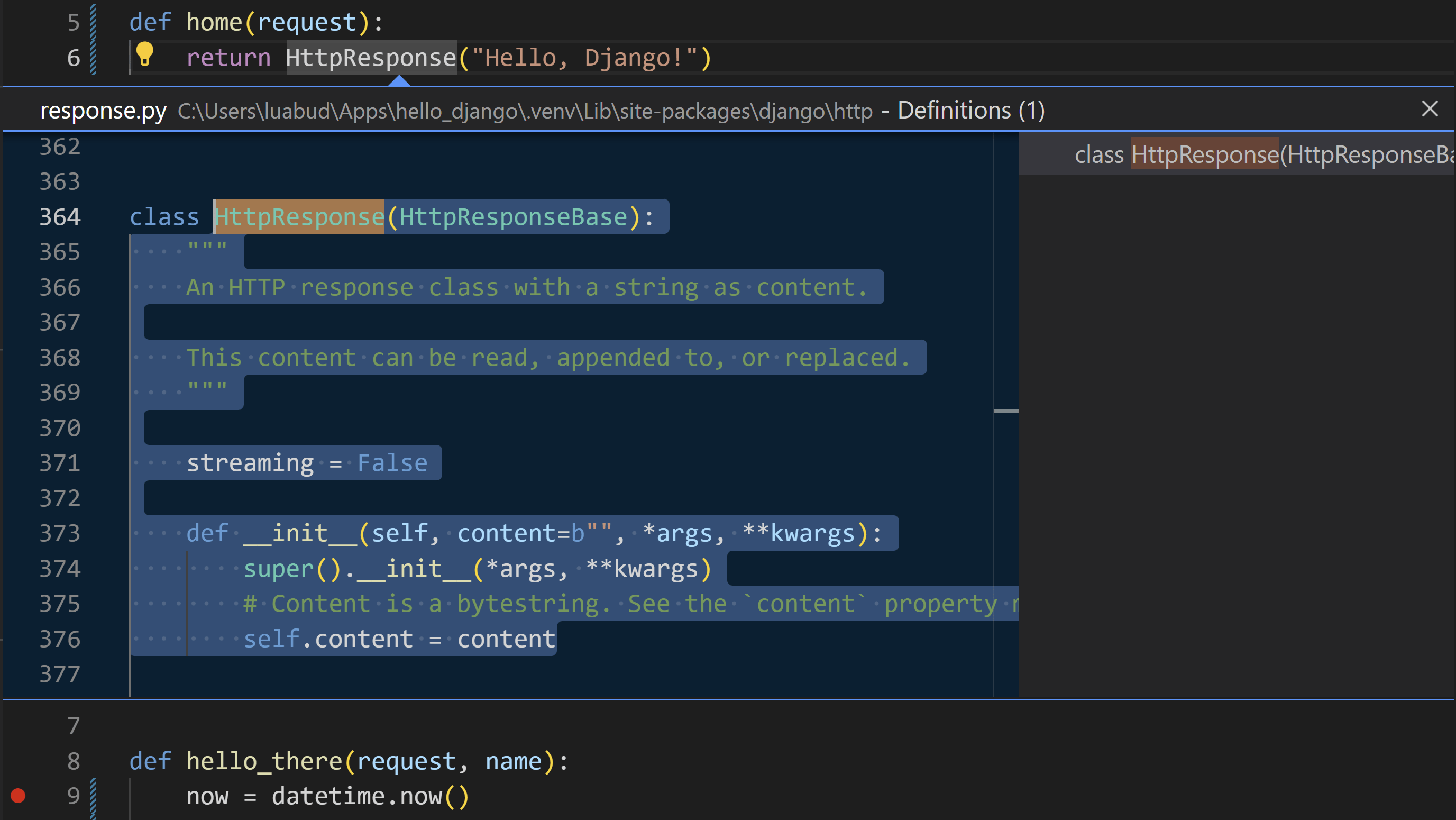
Unlike WordPress, Django treats forms as a core feature of the framework.

Forms are not add-ons. They are part of the system.


🔹 How Django Forms Work

Forms are written as Python classes:

from django import forms

class ContactForm(forms.Form):
    name = forms.CharField(max_length=100)
    email = forms.EmailField()

In views:

if form.is_valid():
    data = form.cleaned_data

In templates:

{{ form.as_p }}

🔹 Built-In Capabilities

Django automatically provides:

✅ Field validation
✅ Type checking
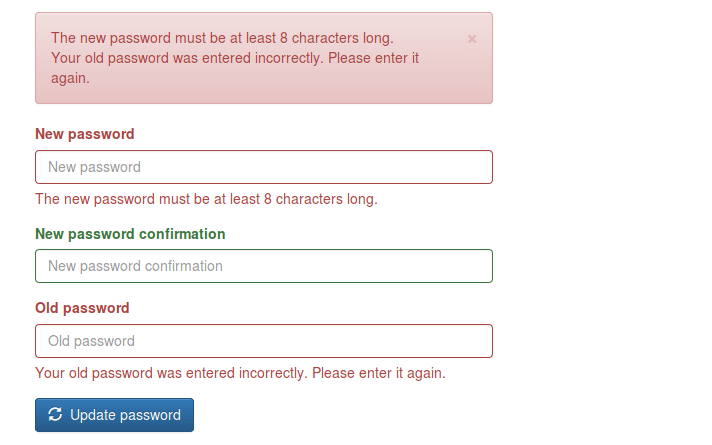
✅ Error handling
✅ CSRF protection
✅ Data cleaning
✅ Model integration
✅ Security

No third-party plugin is required.


🔹 Template Form Features

Django templates allow full customization:

{{ form.name.label }}
{{ form.name }}
{{ form.name.errors }}

You control:

  • Layout
  • Styling
  • Error display
  • Accessibility

🔹 Development Model

Django forms are:

  • Object-oriented
  • Structured
  • Scalable
  • Framework-integrated

So, Django means:

“Build robust systems using built-in tools.”


📊 Comparison: WordPress vs Django Forms

FeatureWordPress (No Plugin)WordPress (Plugin)Django
SetupManual codingVisual UIPython classes
ValidationManualPlugin-managedBuilt-in
SecurityManualPlugin-managedBuilt-in
DatabaseManualPlugin-dependentORM-based
FlexibilityMediumLimitedVery High
ScalabilityMediumMediumHigh
Learning CurveHighLowMedium–High

🧠 Philosophical Difference

WordPress Philosophy

Originally built for blogging and content management.

Forms are:

  • Optional features
  • Implemented via plugins
  • Not core architecture

Approach:

“Extend with tools.”


Django Philosophy

Built for application development.

Forms are:

  • Core components
  • Linked to models
  • Linked to validation
  • Linked to security

Approach:

“Engineer the system.”


🔁 Real-World Example: Contact Form

In WordPress (Without Plugin)

You must create:

  1. HTML form
  2. PHP processor
  3. Validation logic
  4. Security system
  5. Email handler

More freedom, more work.


In WordPress (With WPForms)

You do:

  1. Install plugin
  2. Choose template
  3. Publish

Fast, simple, limited.


In Django

You create:

  1. Model (optional)
  2. Form class
  3. View logic
  4. Template

More setup, long-term stability.


🚀 When Should You Use Each?

Choose Manual WordPress Forms If:

✔ You want full control in WordPress
✔ You know PHP well
✔ You need lightweight solutions


Choose WPForms If:

✔ You want fast deployment
✔ You run marketing or content sites
✔ You don’t want to code
✔ You need integrations


Choose Django Forms If:

✔ You’re building SaaS platforms
✔ You need complex validation
✔ You manage large datasets
✔ You want scalable systems


📝 Final Summary

PlatformForm StyleStrength
WordPress (No Plugin)Manual PHPFlexibility
WordPress (Plugin)Visual BuilderSpeed
DjangoFramework-BasedPower & Scalability

👉 WordPress without plugins = Handcrafted
👉 WordPress with plugins = Tool-based
👉 Django = System-based


📌 Conclusion

Forms reflect the philosophy of each platform:

  • WordPress gives you freedom or convenience, depending on plugins.
  • Django gives you structure and engineering depth.

If your goal is fast website deployment, WordPress plugins are ideal.
If your goal is building long-term software products, Django forms offer unmatched control.


🌐 Popular Websites Built with Django — And Where WordPress/PHP Still Shine

Rajeev Bagra · February 6, 2026 · Leave a Comment


When people learn Django, a common question is:

“Is Django really used in big websites, or is it only for small projects?”

The answer is clear: many global platforms started and scaled with Django.

At the same time, WordPress and PHP still dominate blogging and content publishing.

In this article, we’ll explore famous websites built with Django and also highlight where WordPress/PHP has a strong niche.


🔗 Official Websites

Before we begin, here are the official platforms:

  • ✅ Django (Official Website): https://www.djangoproject.com
  • ✅ WordPress (Official Website): https://wordpress.org

These are the best places to learn, download, and follow updates.


📸 Instagram — Social Media at Massive Scale

Instagram chose Django in its early stage because it allowed developers to build features quickly and scale fast.

What Django Powers

  • User accounts
  • Posts, likes, comments
  • Feeds and APIs

📌 Lesson: Django is ideal for user-driven platforms.


🎵 Spotify — Data & Internal Systems

Spotify uses Django mainly for internal dashboards and backend tools.

Django’s Role

  • Analytics systems
  • Admin dashboards
  • Content workflows

📌 Lesson: Django works well for business systems.


📌 Pinterest — Visual Discovery Platform

Pinterest relied heavily on Django while growing from a startup.

Django Supports

  • Boards and profiles
  • Search features
  • Recommendation systems

📌 Lesson: Django handles large content platforms efficiently.


💬 Disqus — Community & Discussions

Disqus manages millions of comments daily using Django.

Django Manages

  • Moderation
  • Spam filtering
  • User reputation

📌 Lesson: Django is strong for community websites.


🦊 Mozilla — Open-Source Platforms

Mozilla uses Django for many of its developer services.

Django Powers

  • Documentation portals
  • Community platforms
  • Account systems

📌 Lesson: Django fits technical ecosystems.


⚖️ Django vs WordPress/PHP: Where Each Has a Niche

Now let’s look at where each platform shines.


🐍 Where Django Is Strongest

Django is best for:

✅ Custom web apps
✅ SaaS platforms
✅ AI & data systems
✅ APIs & mobile backends
✅ Enterprise software

📌 Django is built for developers creating systems, not just websites.


🐘 Where WordPress/PHP Dominates

WordPress remains the top choice for:

✅ Blogging & Content Sites

  • Personal blogs
  • News portals
  • Affiliate sites

✅ Business Websites

  • Company pages
  • Portfolios
  • Service sites

✅ E-commerce

  • Online stores (WooCommerce)
  • Digital products

✅ Non-Technical Users

  • Visual editors
  • Easy publishing
  • Plugin ecosystem

📌 WordPress is built for publishers and creators.


📊 Quick Comparison

FeatureDjango (Python)WordPress/PHP
Official Sitedjangoproject.comwordpress.org
SetupMediumVery Easy
CodingRequiredMinimal
BloggingWeakExcellent
Custom AppsExcellentLimited
CostHigherLower
ScalabilityHighModerate

🎯 Which Should You Choose?

Choose Django If You Want:

✅ Build web applications
✅ Create SaaS products
✅ Work with APIs and data
✅ Become a backend developer

👉 Start here: https://www.djangoproject.com


Choose WordPress If You Want:

✅ Run a blog
✅ Build affiliate sites
✅ Launch quickly
✅ Avoid heavy coding

👉 Start here: https://wordpress.org


🚀 Best Practice: Use Both Together

Many creators use:

  • WordPress → Content & SEO
  • Django → Tools & Applications

Connected via APIs, this gives:

✔ Traffic
✔ Automation
✔ Monetization
✔ Scalability


📝 Final Thoughts

Platforms like Instagram, Pinterest, and Spotify prove that:

Django is enterprise-ready and scalable.

Meanwhile, WordPress proves that:

Content publishing doesn’t need complexity.

So it’s not:

❌ Django vs WordPress
✅ It’s: “What am I building?”

  • Apps → Django
  • Blogs → WordPress
  • Hybrid → Both

Is Operating Django Similar to Using DOS? Understanding Projects, Apps, and URLs

Splendid · February 6, 2026 · Leave a Comment


When beginners start learning Django, many feel that working with projects, apps, folders, and URLs looks similar to using DOS or command-line systems with directories and files.

So a common question arises:

“Is operating Django similar to operating DOS in terms of directories and files?”

The short answer is: Yes, at a basic level — but Django is far more structured and meaningful.

Let’s understand this clearly.


Understanding DOS: File and Directory Management

In DOS (or any command-line system), everything revolves around files and folders.

Example structure:

C:\
 └── Documents\
      └── report.txt

Common DOS commands:

cd Documents
dir
type report.txt

In DOS, you mainly:

  • Navigate folders
  • Open files
  • Copy/delete files
  • Manage storage

DOS treats all files the same. A file is just a file — it has no special role in the system.


Understanding Django: Project and App Structure

Django also uses folders and files, but with predefined meaning.

When you create a project:

django-admin startproject mysite

You get:

mysite/
 ├── manage.py
 └── mysite/
      ├── settings.py
      ├── urls.py
      ├── wsgi.py

When you create an app:

python manage.py startapp blog

You get:

blog/
 ├── models.py
 ├── views.py
 ├── urls.py
 ├── admin.py

Each file has a specific responsibility:

FilePurpose
models.pyDatabase structure
views.pyBusiness logic
urls.pyRouting
templates/HTML files
static/CSS & JavaScript

Unlike DOS, Django folders are not random storage — they are functional components.


Similarities Between DOS and Django

At a conceptual level, Django and DOS are similar in some ways.

1. Hierarchical Structure

Both use tree-like systems:

DOS:

C:\Projects\App\file.txt

Django:

project/app/templates/page.html

Everything is organized in levels.


2. Command-Line Usage

Both rely heavily on the terminal.

DOS commands:

cd
dir
copy

Django commands:

python manage.py runserver
python manage.py migrate
python manage.py startapp

In both systems, the terminal is your main control center.


3. Path-Based Navigation

In DOS:

C:\Users\Rajeev\Documents

In Django:

/blog/post/1/

Both use paths to locate something.

But in Django, paths are virtual.


URLs in Django Are Like “Virtual Directories”

This is one of the most important similarities.

In DOS:

C:\blog\post1.txt

represents a real file.

In Django:

example.com/blog/post1/

looks like a folder path — but it isn’t.

Instead, it maps to Python code.

Example:

path("blog/", views.blog_home)

This means:

When someone visits /blog/, run this function.

So:

  • DOS → Physical folder
  • Django → Logical route

Django URLs only look like directories.


The Biggest Difference: Django Is Semantic

In DOS, file names have no system-level meaning.

Example:

notes.txt

DOS doesn’t care what it contains.

In Django, file names are meaningful:

models.py  → Database
views.py   → Logic
urls.py    → Routing

Django knows how to use these files.

So Django is not just storage — it is a framework with rules.


Django as an “Operating System for Websites”

A good way to think about Django is:

Django is like an Operating System for Web Applications.

Just as an OS manages:

  • Programs
  • Files
  • Users
  • Permissions

Django manages:

  • Apps
  • Requests
  • Databases
  • Templates
  • Security
  • Sessions

That’s why Django feels like working inside a system.


How a Django Request Works (Like File Lookup)

Let’s see how Django processes a request.

When a user visits:

example.com/blog/

Django follows these steps:

1️⃣ URL Router (urls.py) checks the path
2️⃣ Finds matching view
3️⃣ Runs Python function
4️⃣ Fetches data from models
5️⃣ Loads template
6️⃣ Returns HTML page

It is similar to how DOS finds a file through directories — but Django finds logic instead of files.


Simple Comparison Table

FeatureDOSDjango
Main PurposeFile managementWeb development
FoldersStore filesOrganize features
FilesData onlyLogic + Data
PathsPhysicalVirtual
CommandsOS controlApp control

Mental Model for Beginners

The best way to think about Django is:

DOS Thinking

“Where is my file?”

Django Thinking

“Where is my feature?”

Each Django app represents one feature:

blog/
 ├── models.py   → Data
 ├── views.py    → Logic
 ├── urls.py     → Routes

One folder = One functionality.


Final Answer

Yes, operating Django is conceptually similar to using DOS because:

✔ Both use hierarchical folders
✔ Both rely on command lines
✔ Both use paths
✔ Both require navigation skills

But the difference is:

DOS manages files.
Django manages web applications.

Django adds rules, structure, and automation on top of basic file management.

So you can think of Django as:

DOS + Web Architecture + Automation


Conclusion

If you already understand DOS or command-line systems, you have a strong foundation for learning Django.

Your skills in:

  • Navigating directories
  • Using terminals
  • Understanding paths

will directly help you in Django development.

The main step forward is learning:

How folders and files work together to serve web pages.

Once you understand that, Django becomes much easier.


🚀 How a WordPress (PHP) Website Can Run Python Code in the Browser

Rajeev Bagra · February 5, 2026 · Leave a Comment

Today, WordPress websites can integrate and leverage multiple programming environments—including Python—without modifying server infrastructure.

This article explains how a Python-powered interactive widget can operate inside a WordPress website and why this capability is important for modern digital platforms.


🔹 WordPress Is Built on PHP — But Not Limited to It

WordPress is traditionally powered by:

  • PHP for server-side processing
  • MySQL for database management
  • HTML, CSS, and JavaScript for frontend rendering

Because of this architecture, many assume that WordPress is restricted to PHP-based features.

In reality, modern browsers now function as powerful execution environments capable of running multiple programming languages.

As a result, WordPress can seamlessly integrate with diverse technology stacks.


🔹 Running Python Inside a WordPress Page

In this implementation, a Python-based Monty Hall simulation widget was embedded directly into a WordPress page.

Importantly, the hosting server does not run Python.

Instead, the Python code executes inside the visitor’s web browser.

This is made possible through browser-based runtimes that enable Python execution using modern web standards.

This approach eliminates the need for:

  • Python servers
  • Backend configuration
  • Virtual machines
  • Additional hosting costs

All computation occurs on the client side.


🔹 The Technology Behind This Integration

Several technologies work together to enable this functionality.

1️⃣ JavaScript as the Integration Layer

JavaScript serves as the primary interface between the webpage and the Python runtime. It is responsible for:

  • Loading the Python engine
  • Sending user input
  • Executing scripts
  • Displaying output

2️⃣ Pyodide: Python in the Browser

Pyodide compiles Python into WebAssembly, allowing it to run securely inside modern browsers.

It provides:

  • Native Python syntax
  • Standard library support
  • High execution speed
  • Sandboxed security

3️⃣ WordPress Custom HTML Blocks

WordPress allows administrators to embed custom HTML and JavaScript using built-in editor blocks.

This makes it possible to integrate advanced functionality without additional plugins.


🔹 How the System Architecture Works

The simplified workflow is as follows:

User Browser
     ↓
JavaScript Interface
     ↓
Pyodide Runtime
     ↓
Python Program

Meanwhile, the WordPress server performs its standard role:

WordPress Server (PHP)
     ↓
Page Delivery

The server delivers content, while computation happens in the browser.

Both layers operate independently but collaboratively.


🔹 Benefits for Website Owners

This architecture provides several practical advantages.

✅ 1. Reduced Server Load

All processing occurs on user devices, keeping hosting resource usage minimal.

This improves site speed and reduces infrastructure costs.

✅ 2. Multi-Language Support

WordPress pages can integrate:

  • Python
  • JavaScript
  • WebAssembly modules
  • Data analysis libraries
  • AI frameworks

This enables advanced applications within standard CMS pages.

✅ 3. Interactive Content Delivery

Websites can provide:

  • Simulators
  • Calculators
  • Visual tools
  • Educational modules
  • Analytical dashboards

Such features enhance user experience and engagement.

✅ 4. Improved User Retention

Interactive tools increase visitor interaction time, which positively influences:

  • Search engine rankings
  • Bounce rates
  • Brand credibility
  • Monetization potential

🔹 Example: Monty Hall Probability Simulation

🎯 Monty Hall Simulation (Python Demo)


The embedded widget allows visitors to:

  • Select simulation parameters
  • Execute Python code
  • Observe probability outcomes
  • Learn through experimentation

This transforms passive reading into active learning.


🔹 PHP, Python, and JavaScript as Complementary Technologies

Modern web systems no longer rely on a single language.

Instead, they integrate specialized tools for different tasks.

A typical hybrid stack may look like:

LayerTechnology
ServerPHP (WordPress)
InterfaceHTML/CSS
LogicJavaScript
ComputationPython (WebAssembly)

Each layer contributes distinct capabilities.


🔹 Practical Use Cases

Cross-stack integration enables multiple applications.

📊 Data Analytics

  • Statistical simulations
  • Probability models
  • Visualization tools

🤖 Artificial Intelligence

  • In-browser inference
  • Text processing
  • Recommendation engines

🎓 Education Platforms

  • Coding labs
  • Math simulators
  • Interactive lessons

💼 Business Applications

  • Financial calculators
  • ROI models
  • Pricing engines

All can be deployed within WordPress.


🔹 Security Considerations

This approach remains secure when properly implemented.

Key factors include:

  • Browser sandboxing
  • No server-side execution
  • No database access
  • No filesystem privileges

Client-side execution reduces exposure to backend vulnerabilities.


🔹 WordPress as a Modern Application Platform

WordPress is often perceived as a simple blogging system.

However, modern integrations demonstrate that it functions as a flexible digital platform.

With browser-based computing, WordPress can support:

  • Simulation environments
  • Educational tools
  • Data platforms
  • Micro-applications

Its capabilities extend far beyond content publishing.


🔹 Conclusion

The successful integration of a Python-based widget within a WordPress website demonstrates the evolving nature of web platforms.

By combining:

  • PHP for content delivery
  • JavaScript for orchestration
  • Python for computation

website owners can build sophisticated hybrid applications.

This approach eliminates traditional limitations associated with single-stack development.


✨ Key Takeaway

Modern WordPress websites can leverage multiple programming environments:

✔ PHP
✔ JavaScript
✔ Python
✔ WebAssembly
✔ AI Libraries

All within a unified platform.

WordPress is no longer limited to blogging.
It functions as a comprehensive application ecosystem

Migrating WordPress from AWS Lightsail to EC2: A Practical, Step-by-Step Perspective

Rajeev Bagra · February 3, 2026 · Leave a Comment


Running multiple WordPress websites on cloud infrastructure often starts with convenience and later evolves into questions around cost, scalability, and control. This is a common journey for founders, bloggers, and small businesses using AWS Lightsail.

As site portfolios grow, many users begin asking important questions:

  • Why is my Lightsail bill increasing every month?
  • Can multiple WordPress sites be consolidated onto a single server?
  • Is Amazon EC2 worth the additional complexity?
  • How do I migrate safely without downtime?

This article walks through those concerns from a real-world perspective, explaining how a gradual migration from Lightsail to EC2 can be approached safely, economically, and methodically.


Why Consider Moving Away from Lightsail?

AWS Lightsail is designed for simplicity. It bundles compute, storage, and networking into predictable monthly pricing. For a single WordPress site, it works extremely well.

However, challenges begin to appear when running multiple sites:

  • Each site often requires its own Lightsail instance
  • Monthly costs increase linearly with each new website
  • Resource utilization is often inefficient
  • Scaling vertically becomes limited and expensive

In one real scenario, a user running seven WordPress sites saw their Lightsail bill grow to USD 61 per month, even though traffic across the sites was modest.

This raises a natural question:
Can the same workload run on fewer servers at a lower cost?


Why EC2 Becomes a Logical Next Step

Amazon EC2 offers raw infrastructure instead of packaged simplicity. While this introduces responsibility, it also provides flexibility.

With EC2:

  • One instance can host multiple WordPress sites
  • Resources like RAM and CPU can be scaled independently
  • Costs are based on actual usage rather than fixed bundles
  • Administrators gain full control over the software stack

In the discussed setup, a single EC2 instance with:

  • 2 GB RAM
  • Nginx
  • PHP-FPM
  • MariaDB
  • Swap enabled

was sufficient to safely host multiple low-to-moderate traffic WordPress sites.


Addressing the First Big Concern: “Is One EC2 Enough?”

A common misconception is that each WordPress site requires its own server. In reality, professional hosting environments routinely host dozens of WordPress sites on a single VM, provided resources are sized correctly.

Key considerations include:

  • Total traffic across all sites
  • WooCommerce usage (if any)
  • PHP memory limits
  • Database load

In this case, upgrading the EC2 instance from 1 GB RAM to 2 GB RAM before migration was a critical decision. Migration processes temporarily require more memory due to database imports, file extraction, and plugin execution.

Upgrading first avoids:

  • PHP memory errors
  • 502 Bad Gateway issues
  • Incomplete migrations
  • Database crashes

The Safe Migration Strategy: One Site at a Time

Rather than moving all websites at once, the recommended approach is incremental migration.

The process followed was:

  1. Launch a single EC2 instance
  2. Install WordPress as a “template” site
  3. Upgrade server memory before migration
  4. Enable swap for additional safety
  5. Migrate one Lightsail site at a time
  6. Test thoroughly before touching DNS
  7. Only delete Lightsail resources after verification

This method minimizes risk and ensures there is always a rollback option.


Understanding Bitnami vs Manual WordPress Installations

Many Lightsail WordPress instances are based on Bitnami stacks. These differ significantly from manual EC2 installations:

  • Bitnami uses predefined usernames
  • Credentials are stored in specific system files
  • Database paths and configuration locations differ

Understanding these differences is essential during migration, especially when exporting data or accessing admin credentials.


Cost Implications: The Bigger Picture

After consolidation:

  • Lightsail cost: ~USD 60/month
  • EC2 consolidated setup: ~USD 25/month

This represents a cost reduction of over 50%, without sacrificing performance or reliability.

Additionally, AWS billing is hourly and prorated, meaning Lightsail instances can be deleted mid-month without paying for unused time.


The Role of AI Assistance in Complex Migrations

One notable takeaway from this journey is the value of using AI tools during technical operations.

Infrastructure migrations often surface unexpected issues:

  • Permissions errors
  • Web server misconfigurations
  • Database access problems
  • Memory bottlenecks

Having an AI assistant available allows users to:

  • Troubleshoot errors in real time
  • Validate assumptions before making changes
  • Learn why something works, not just how
  • Proceed with confidence rather than guesswork

For many first-time EC2 users, this reduces stress and prevents costly mistakes.


Final Thoughts

Migrating from AWS Lightsail to EC2 is not about abandoning simplicity—it’s about graduating to efficiency.

For users managing multiple WordPress sites, EC2 offers:

  • Better cost control
  • Greater scalability
  • Centralized management
  • Long-term flexibility

When approached carefully, with incremental migration and proper sizing, the transition can be smooth, safe, and financially rewarding.


Key Takeaway

A gradual, well-planned migration—supported by proper server sizing and guided troubleshooting—can transform WordPress hosting from an expense into an optimized asset.


  • Page 1
  • Page 2
  • Go to Next Page »

Primary Sidebar

Recent Posts

  • Developing Forms in WordPress vs Django: From Manual Coding to Plugins and Framework-Level Control
  • 🌐 Popular Websites Built with Django — And Where WordPress/PHP Still Shine
  • Is Operating Django Similar to Using DOS? Understanding Projects, Apps, and URLs
  • 🚀 How a WordPress (PHP) Website Can Run Python Code in the Browser
  • Migrating WordPress from AWS Lightsail to EC2: A Practical, Step-by-Step Perspective

Archives

  • February 2026
  • January 2026
  • December 2025
  • October 2025
  • August 2025

Categories

  • Blog

Tag

AWS EC2 AWS Lightsail Contabo CSS DBMS DigitalOcean Django Git Github HTML Python spreadsheets SQL webdev webhosting WordPress
Terms Display
DBMS WordPress webhosting webdev Django spreadsheets Python CSS Github Contabo DigitalOcean SQL AWS EC2 Git HTML AWS Lightsail

Start building your digital presence with Webnzee. Contact Us

Webnzee

This website may use AI tools to assist in content creation. All articles are reviewed, edited, and fact-checked by our team before publishing. We may receive compensation for featuring sponsored products and services or when you click on links on this website. This compensation may influence the placement, presentation, and ranking of products. However, we do not cover all companies or every available product.

  • Home
  • Blog
  • Terms
  • Support
  • Subscribe
  • Contact
Scroll Up